Data Analysis
Data Analysis Definition and Techniques.
Data analysis is the practice of working with data to deduce useful information, which can then be used to make informed decisions.
Companies are wisening up to the benefits of leveraging data. Data analysis can help a bank to personalize customer interactions, a health care system to predict future health needs, or an entertainment company to create the next big streaming hit.
Data Analysis Processes
As the data available to companies continues to grow both in amount and complexity, so too does the need for an effective and efficient process by which to harness the value of that data. The data analysis process typically moves through several iterative phases.
Identify the business question you’d like to answer. What problem is the company trying to solve? What do you need to measure, and how will you measure it?
Collect the raw data sets you’ll need to help you answer the identified question. Data collection might come from internal sources, like a company’s client relationship management (CRM) software, or from secondary sources, like government records or social media application programming interfaces (APIs).
Clean the data to prepare it for analysis. This often involves purging duplicate and anomalous data, reconciling inconsistencies, standardizing data structure and format, and dealing with white spaces and other syntax errors.
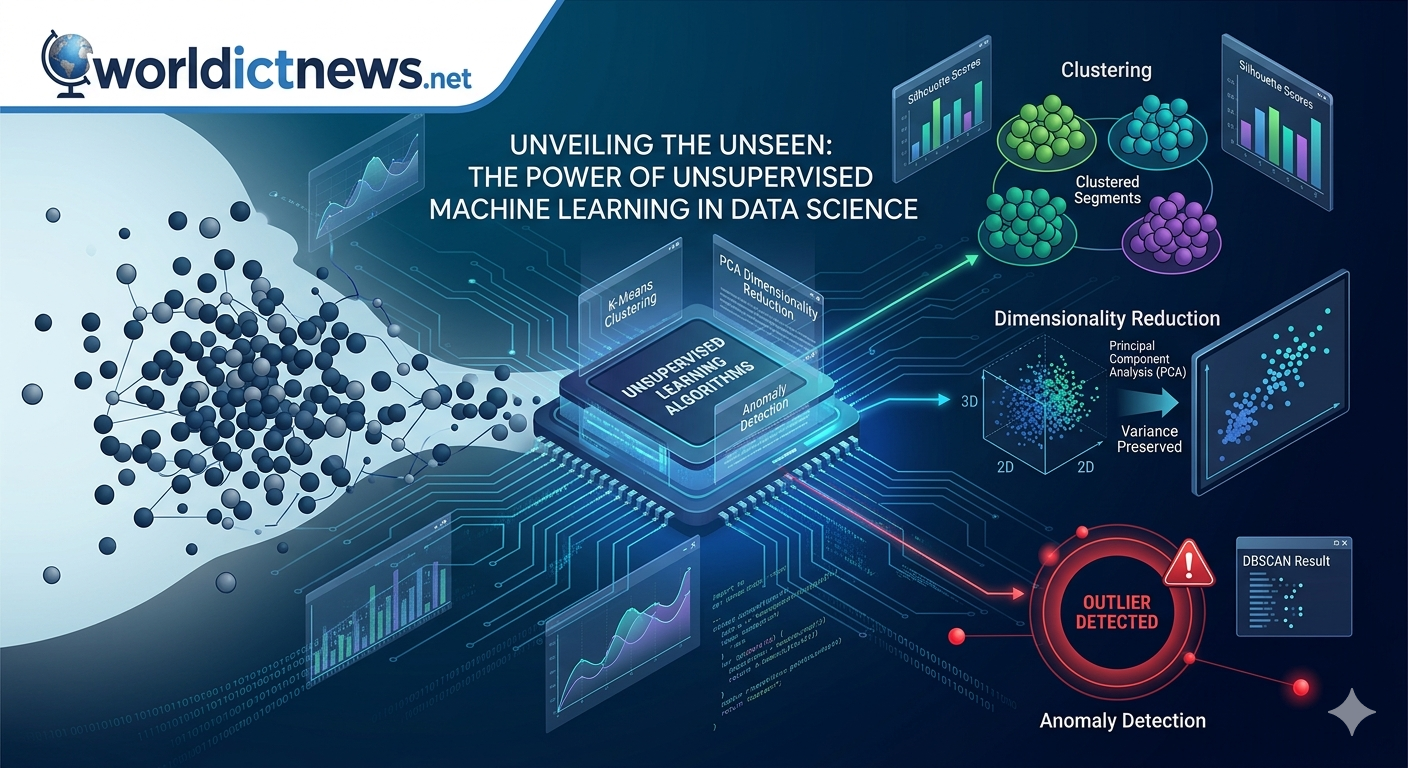
Analyze the data. By manipulating the data using various data analysis techniques and tools, you can begin to find trends, correlations, outliers, and variations that tell a story. During this stage, you might use data mining to discover patterns within databases or data visualization software to help transform data into an easy-to-understand graphical format.
Interpret the results of your analysis to see how well the data answered your original question. What recommendations can you make based on the data? What are the limitations to your conclusions?
Act: Use the final insights to implement solutions or optimize business strategies.
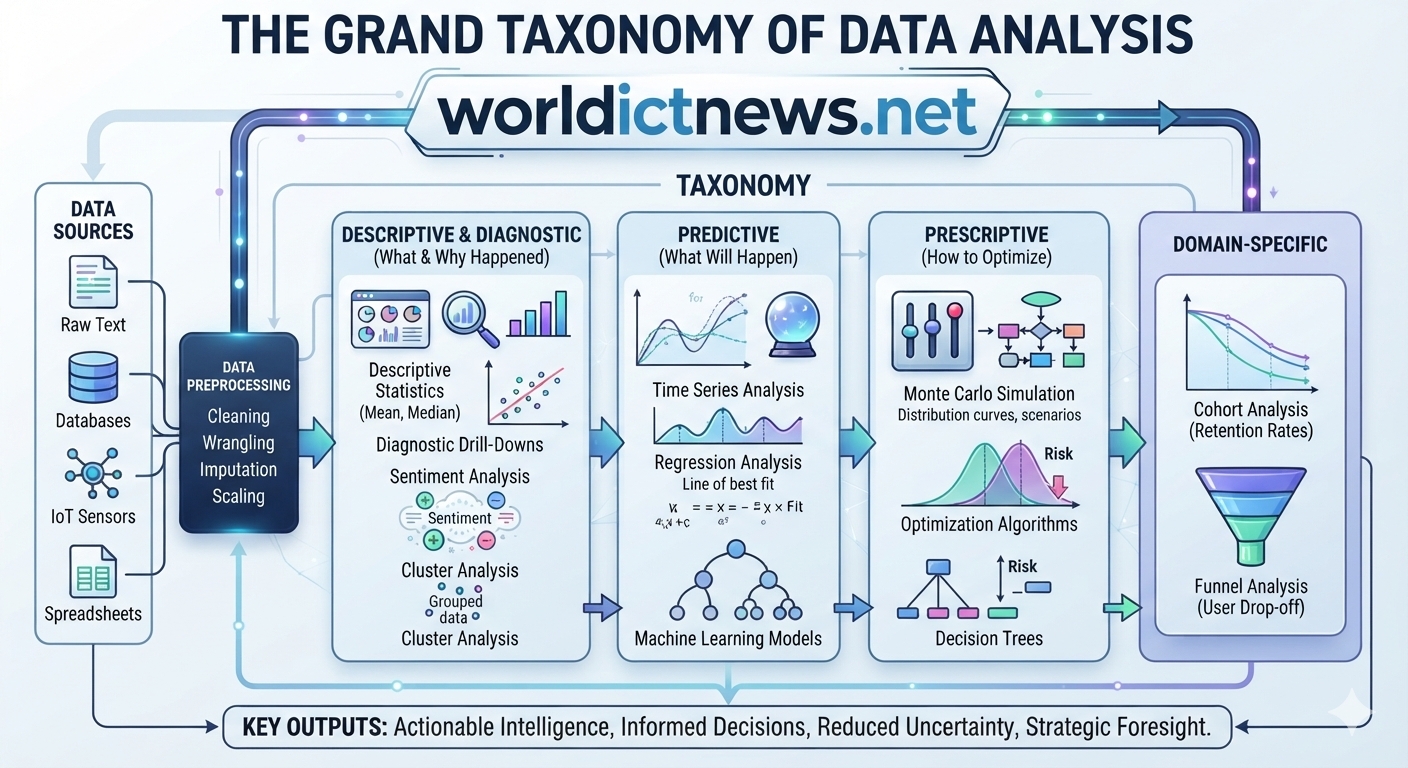
The 4 Types of Data Analysis
Analytic approaches are typically categorized by the specific question they aim to answer:
Descriptive (What happened?): Summarizes historical data using charts and dashboards to show past performance, such as last month's sales.
Diagnostic (Why did it happen?): Digs deeper into data to find the root causes of trends or anomalies.
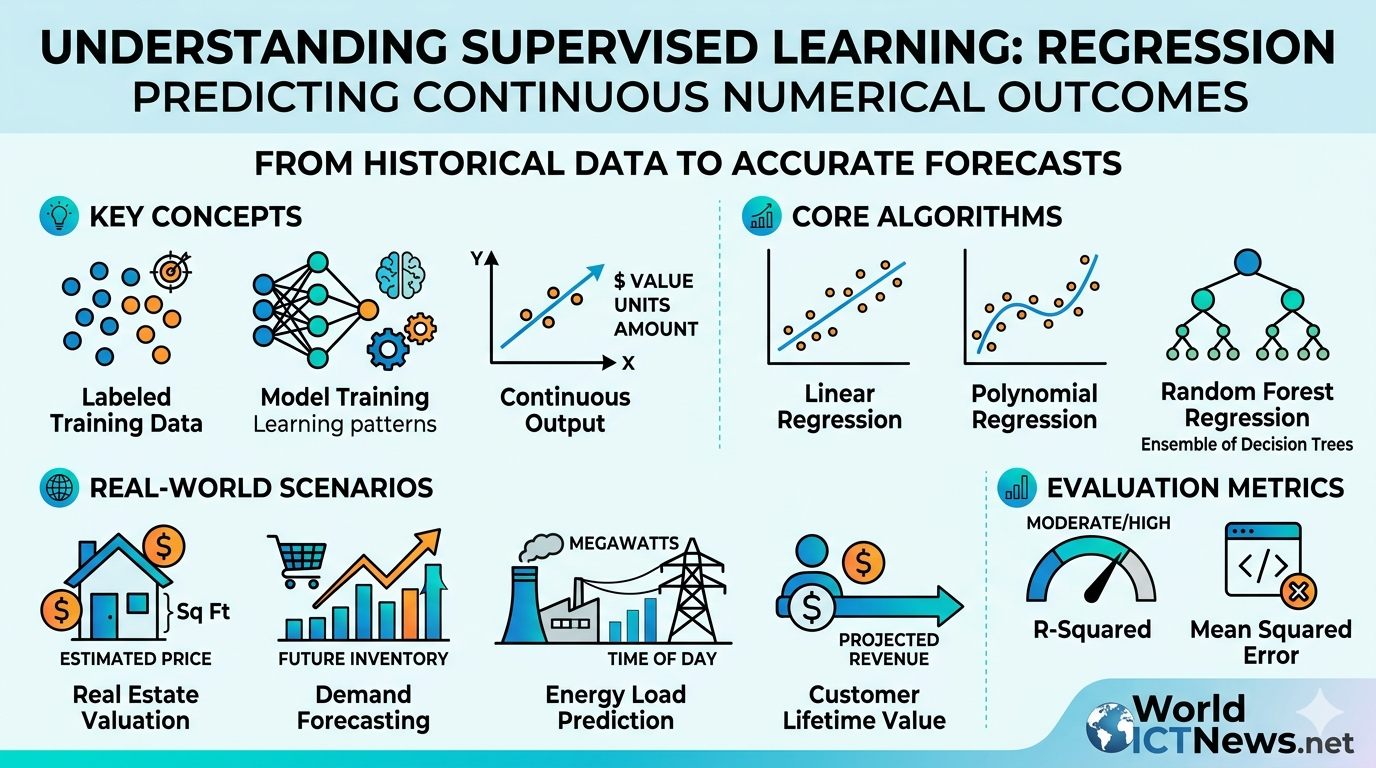
Predictive (What might happen?): Uses statistical models and machine learning to forecast future outcomes, like seasonal demand.
Prescriptive (What should we do?): Recommends specific actions to achieve the best possible result based on prior insights
Data Analysis vs. Data Science
While related, these fields differ in scope and focus:
Data Analysis is generally more task-focused, using existing structured data to answer specific business questions and explain the past.
Data Science is broader, often involving heavy coding and complex algorithms to build new models that predict the future or automate decision-making.
Vsasf Tech ICT Academy, Enugu offers a comprehensive training in Data Analysis for individuals interested in technical approaches in analysing data
Did you find this ICT insight helpful?