The "Cloud Repatriation" Trend in 2026
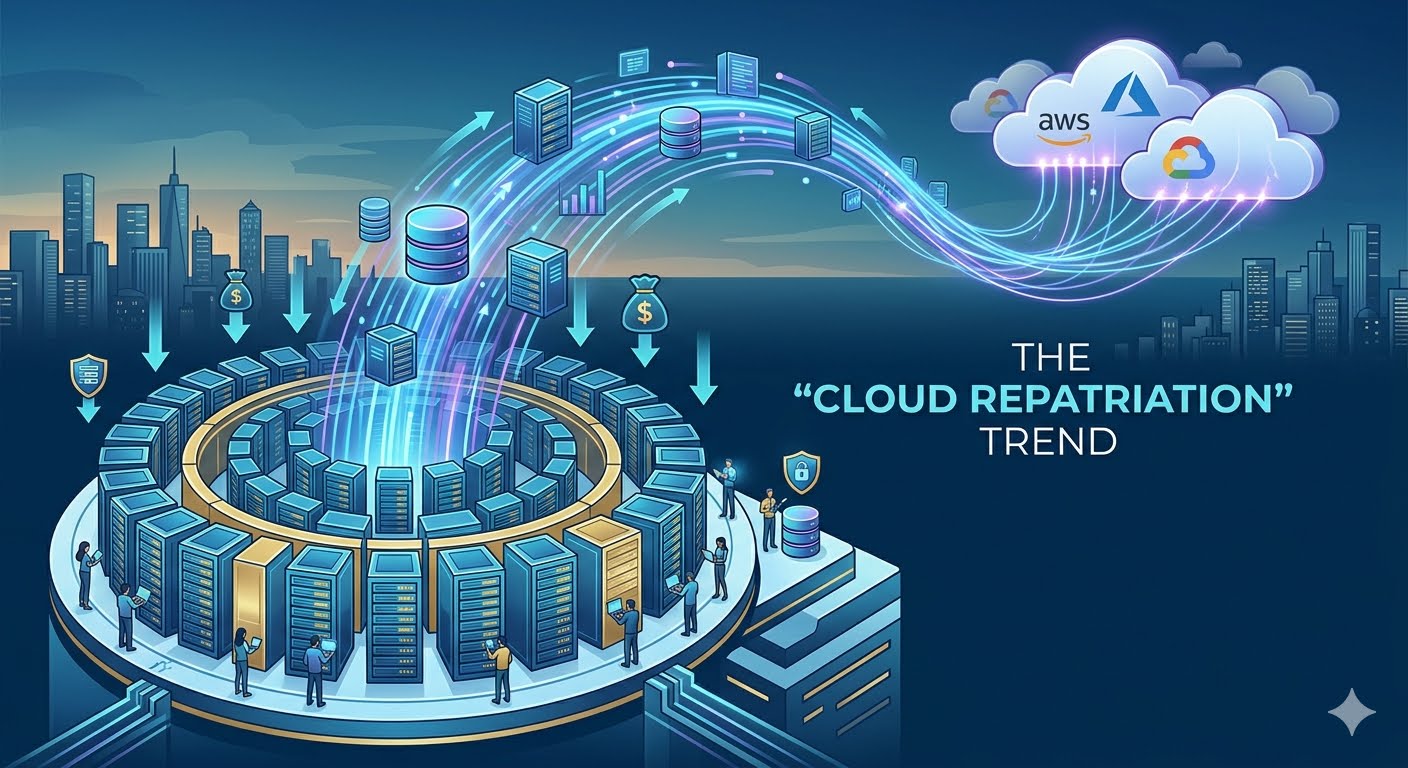
The "Cloud Repatriation" Trend in 2026.
Cloud repatriation is the strategic movement of applications, data, and workloads from public cloud providers (like AWS, Azure, or Google Cloud) back to on-premises data centers, private clouds, or colocation facilities. In 2026, this trend has shifted from a fringe experimental idea to a dominant board-level agenda as enterprises seek a "cloud reset" to achieve a sustainable, high-performance infrastructure equilibrium.
The "Cloud Reset" of 2026
After a decade of "cloud-first" mandates, the industry is entering a phase of cloud maturity. According to recent data, roughly 83% to 86% of enterprise IT leaders now plan to repatriate at least some workloads to private infrastructure. This shift is not a total retreat from the cloud but a move toward cloud pragmatism, where organizations choose the "best home" for each workload based on specific economic and operational factors.
Key Drivers Behind the Trend
1. Cost Optimization and Predictability
Unpredictable and escalating costs are the primary catalysts for repatriation in 2026.
Billing Surprises: Public cloud budgets exceed plans by an average of 17%, with roughly 27% of spend categorized as wasted.
The Scale Paradox: While the cloud is cost-effective for startups, mature and predictable 24/7 workloads often become a financial liability. Moving these to owned hardware can reduce infrastructure spending by 30% to 60%.
Egress Fees: High "data gravity" taxes—the cost of extracting data from a public cloud—are a significant pain point for data-intensive applications.
2. Performance and Control
Modern repatriation allows organizations to "regain control" of their technical destiny.
Hardware Tailoring: Public clouds offer generalized resources. Repatriating allows firms to use specialized, high-performance hardware, such as GPU clusters for AI inference, which may be prohibitively expensive to rent at scale.
Eliminating Roadblocks: On-premises infrastructure allows IT teams to design and configure systems without being restricted by a cloud provider's proprietary framework or toolkits.
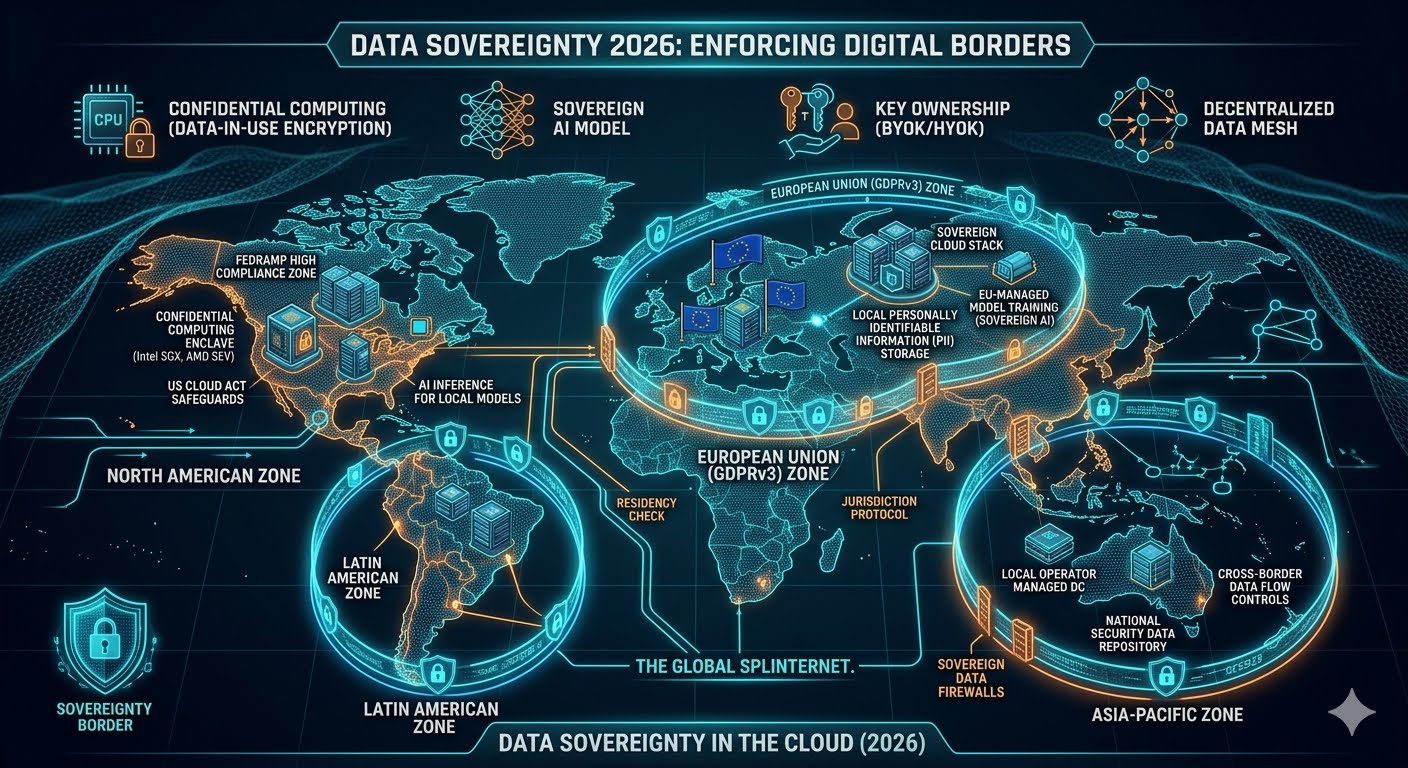
3. Data Sovereignty and Compliance
Regulatory landscapes have tightened, making geographic distribution a core resilience strategy.
Geopolitics: Nations now treat digital infrastructure as a national priority similar to energy security.
Privacy Barriers: Cybersecurity and data privacy concerns remain top barriers to AI adoption, driving organizations to run AI models on-premises over their own sensitive data.
Strategic Considerations for 2026
Category | Public Cloud Strength | Repatriation Target Workload |
|---|---|---|
Workload Profile | Bursty, unpredictable, or experimental | Predictable, stable, and heavy-duty (e.g., ML inference) |
Financial Model | Pure OpEx; low upfront cost | Mix of CapEx (hardware) and lower OpEx (hosting) |
Operational Skill | High automation; minimal internal hardware skill needed | Requires internal expertise in hardware management and capacity planning |
The Challenges of Returning Home
Repatriation in 2026 is no longer a "greenfield build" but a structured "backend swap". However, critical challenges remain:
The Skills Gap: Decades of cloud adoption have led to a loss of internal hardware and networking skill sets, making it difficult to hire or train teams to manage physical data centers.
Complexity Tax: While tools like Kubernetes help bridge the gap, managing underlying layers—such as identity federation and complex storage behavior—still requires disciplined operational upkeep.
Conclusion:
Cloud repatriation in 2026 represents the industry's maturation. Organizations are moving away from "cloud-at-all-costs" to a nuanced, hybrid strategy where the cloud provides elasticity for growth, and private infrastructure provides the predictable foundation for stable, core business operations.
Did you find this ICT insight helpful?