Cybersecurity High Demand Specialization Areas in 2026

In 2026, the cybersecurity landscape is characterized by a shift from generalist IT roles toward highly specialized disciplines, driven by the massive scale of AI-powered attacks, multi-cloud adoption, and complex global privacy regulations
Top Cybersecurity Specializations in 2026
The following specializations are currently in highest demand due to evolving technological challenges:
AI and Machine Learning Security: This is the fastest-growing area in 2026. Specialists focus on protecting AI models from adversarial attacks (e.g., data poisoning), securing machine learning pipelines, and using AI for automated threat detection and response
Cloud Security Architecture: With over 95% of enterprise workloads now cloud-native, this role focuses on multi-cloud posture management, securing serverless architectures, and managing “Cloud Sovereignty” to keep data within specific legal jurisdictions
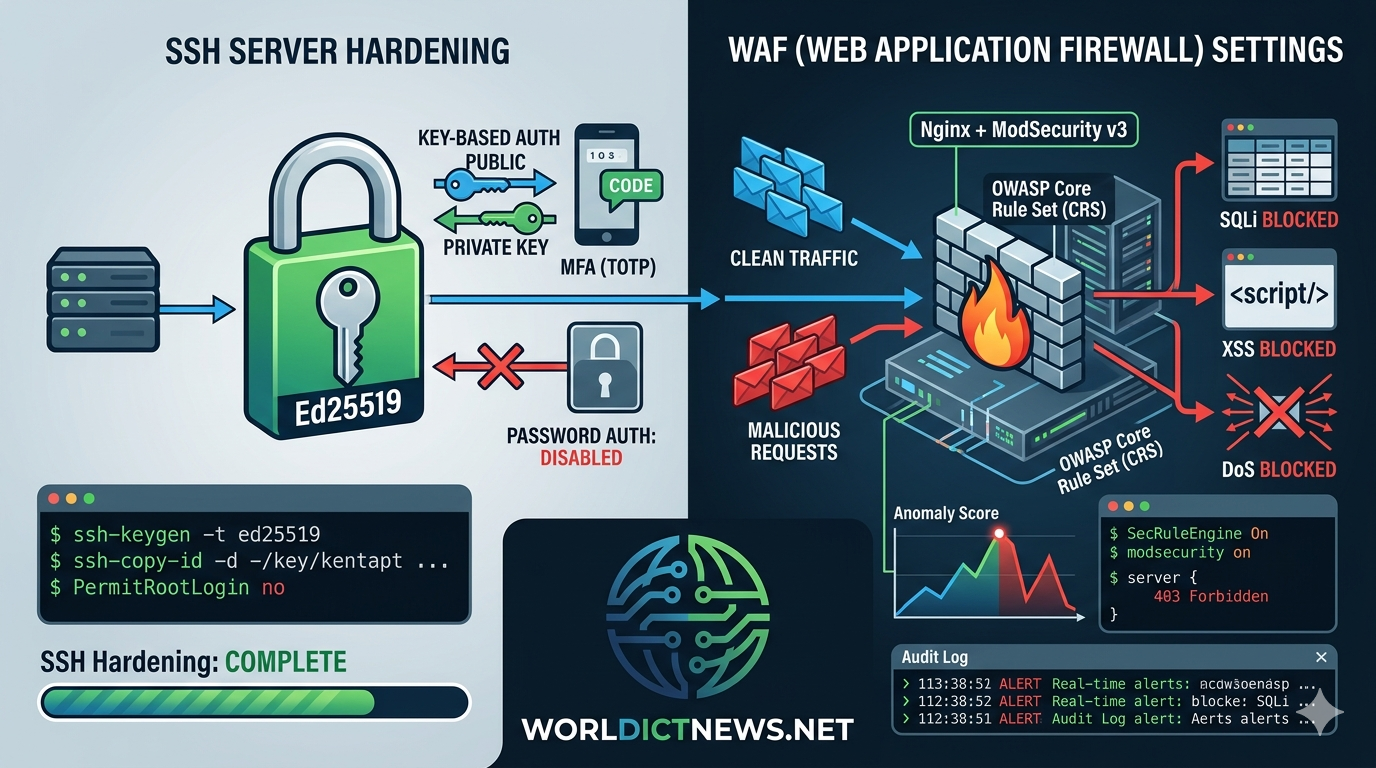
Zero Trust & Identity Security: Identity is the “new perimeter.” Specializing here involves implementing continuous authentication, identity-first access models, and behavioral analytics to ensure “never trust, always verify” across hybrid workforces
Governance, Risk, and Compliance (GRC): Demand is high for professionals who can navigate new global regulations (like the EU AI Act) and translate technical risks into business and financial impact for executive boards
Application Security (AppSec) & DevSecOps: This role embeds security directly into the software development lifecycle. It prioritizes securing the software supply chain (e.g., third-party libraries and APIs) using automated testing within CI/CD pipelines
Operational Technology (OT) & IoT Security: Protecting critical infrastructure like power grids, manufacturing plants, and smart cities. These environments require specialized knowledge beyond traditional IT to secure industrial control systems (ICS)
Digital Forensics & Incident Response (DFIR): Experts analyze the aftermath of breaches to rebuild attack timelines and collect evidence. This field is essential for organizations to explain incidents to regulators and leadership
Key 2026 Trends Driving Demand:
AI-Augmented Defense: Defenders must move beyond manual monitoring to AI-driven automated responses to match threat speeds.
Specialization over Generalization: Organizations are prioritizing specialists who can deliver immediate, high-value technical security over general IT security roles.
Critical Infrastructure Focus: Increased threats to national infrastructure drive demand for ICS/OT security professionals.
Key Career Metrics (2026 Estimates)
Specialized roles consistently command higher salaries than generalist positions.
Specialization Key Roles Estimated Salary Range (US)
Cloud Security Cloud Architect, Cloud Security Engineer $130,000 — $185,000+
Offensive Security Lead Penetration Tester, Red Team Lead $115,000 — $160,000+
AI Security AI Security Engineer, ML Threat Analyst, Highly competitive; top-tier premium
Governance (GRC) Compliance Manager, Risk Strategist $128,000 — $171,200
Architecture Security Architect $130,000 — $190,000
Recommended Pathway for 2026
Foundations: Master networking (TCP/IP), Linux, and Python for automation
Core Certification: Start with CompTIA Security+ or Google Cybersecurity Certificate to learn foundational principles, PECB Certifications for Management and Auditing positions.
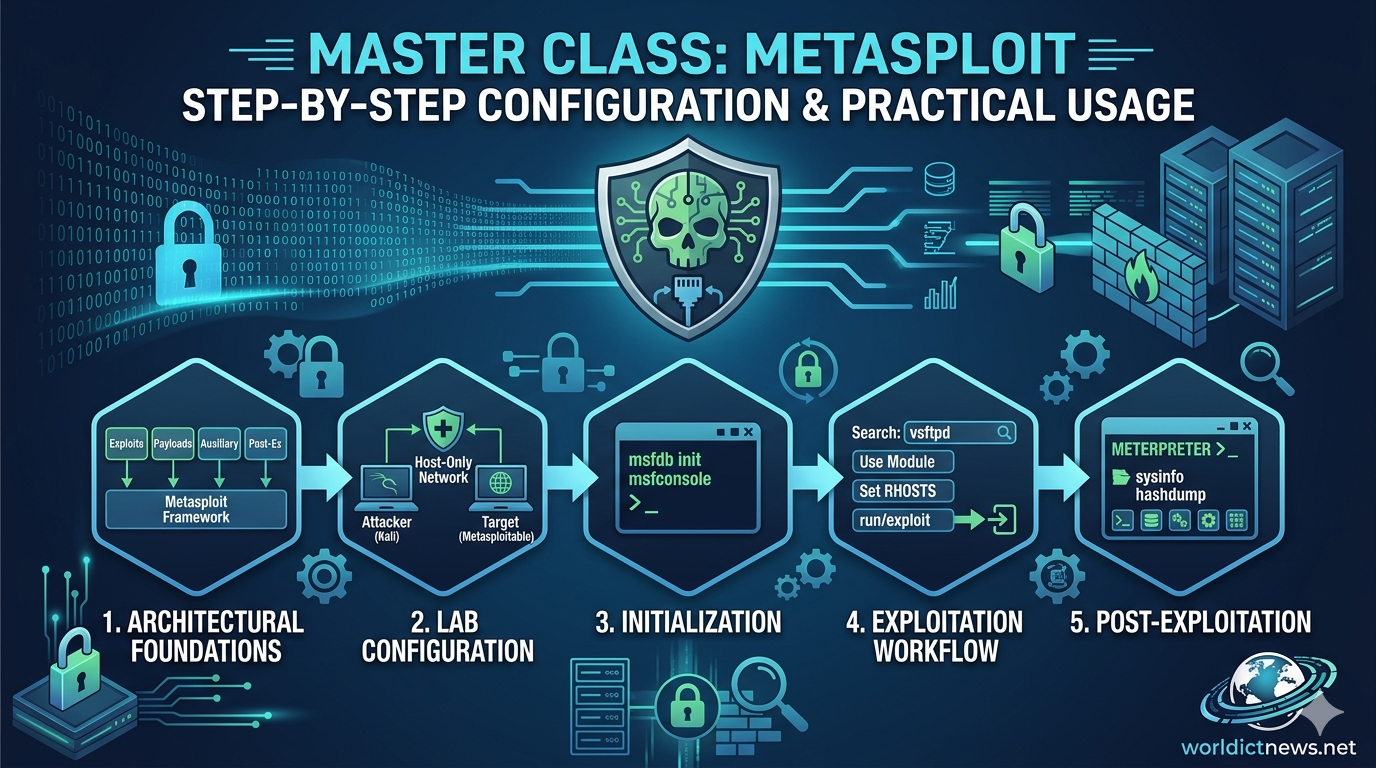
Specialization: Pursue advanced credentials like CISSP for leadership, CEH for offensive roles, or CCSP for cloud
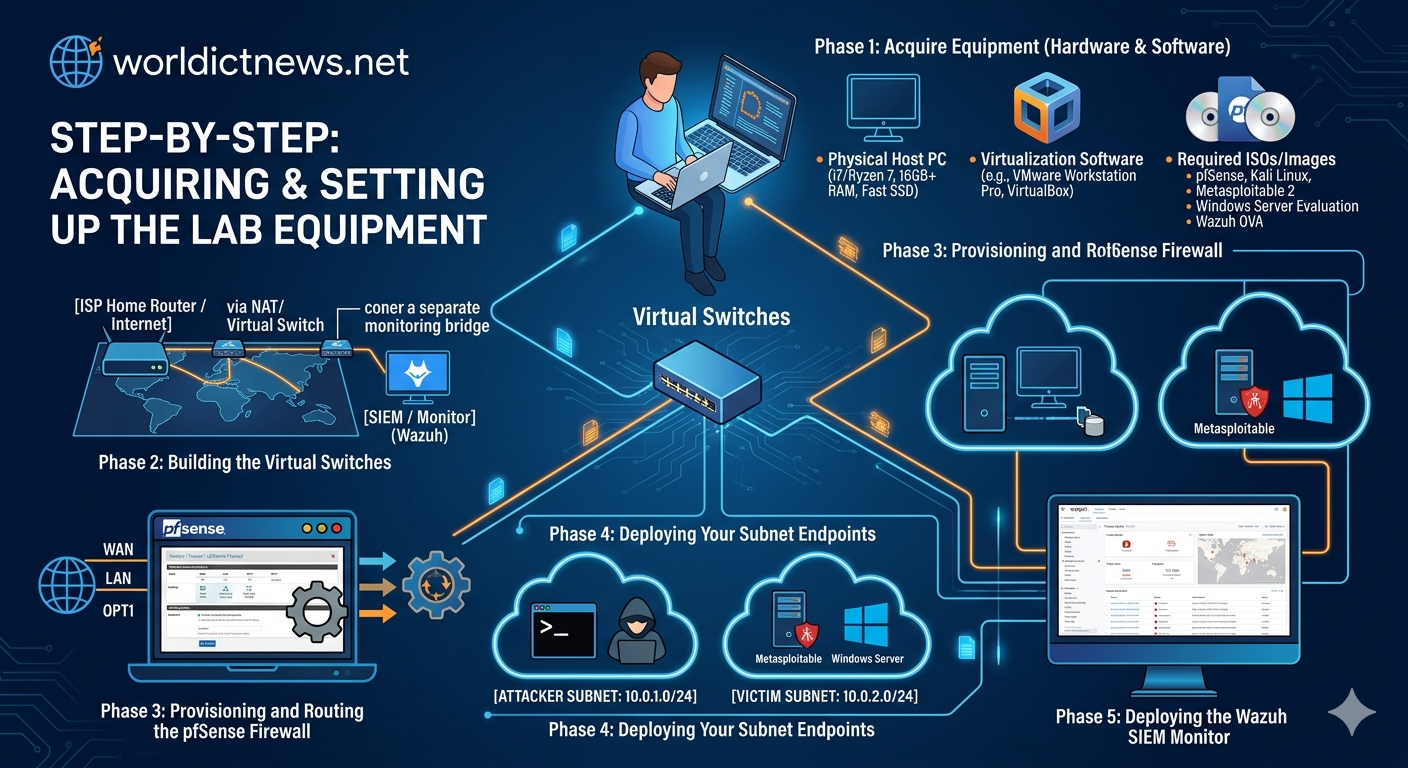
Portfolio: Build a “proof of skills” with home labs, CTF (Capture the Flag) solutions, and security scripts hosted on GitHub
Top Certifications to Watch in 2026:
AI & Governance: Certified AI Project Manager (CAIPM), Certified Responsible AI Governance and Ethics (CRAGE).
Network & Defense: Certified Network Defender (CND), Certified Ethical Hacker (CEH).
Management: Certified Chief Information Security Officer (CCISO), CISSP.
Did you find this ICT insight helpful?