Cybersecurity Risk Management


Cybersecurity Risk Management.
Cybersecurity risk management is the continuous process of identifying, assessing, and mitigating digital threats to an organization's assets to reduce the likelihood and impact of a cyberattack. It shifts the focus from building an "impenetrable" defense to a strategic, business-aligned approach that prioritizes the most critical vulnerabilities.
Core Process (Lifecycle)
The risk management lifecycle is iterative, often repeating at least bi-annually or whenever major infrastructure changes occur.
Framing (Context): Define the scope (systems, data, and business units to be examined), organizational risk tolerance (appetite for risk), and legal requirements.
Identification: Catalog all digital and physical assets (hardware, software, data, and cloud services) and pinpoint potential threats like malware, phishing, or insider errors.
Assessment: Evaluate the likelihood of a threat occurring and its potential impact on business operations, reputation, and finances.
Response (Treatment): Decide how to handle identified risks:
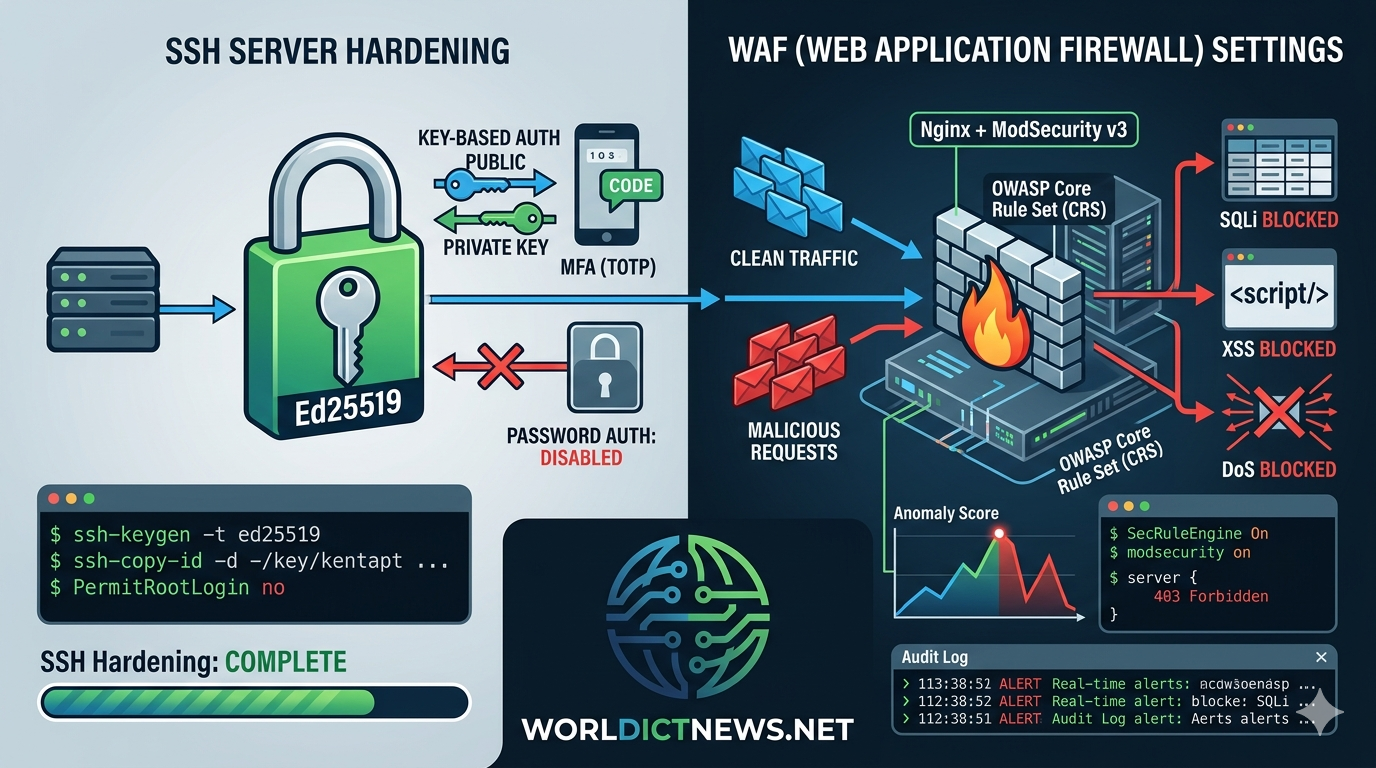
Mitigation: Implement security controls (e.g., multi-factor authentication, firewalls) to reduce risk.
Transfer: Shift the risk to a third party, most commonly by purchasing cyber insurance.
Acceptance: Consciously decide to live with the risk if the cost of treatment exceeds the potential impact.
Avoidance: Discontinue the business activity that creates the risk entirely.
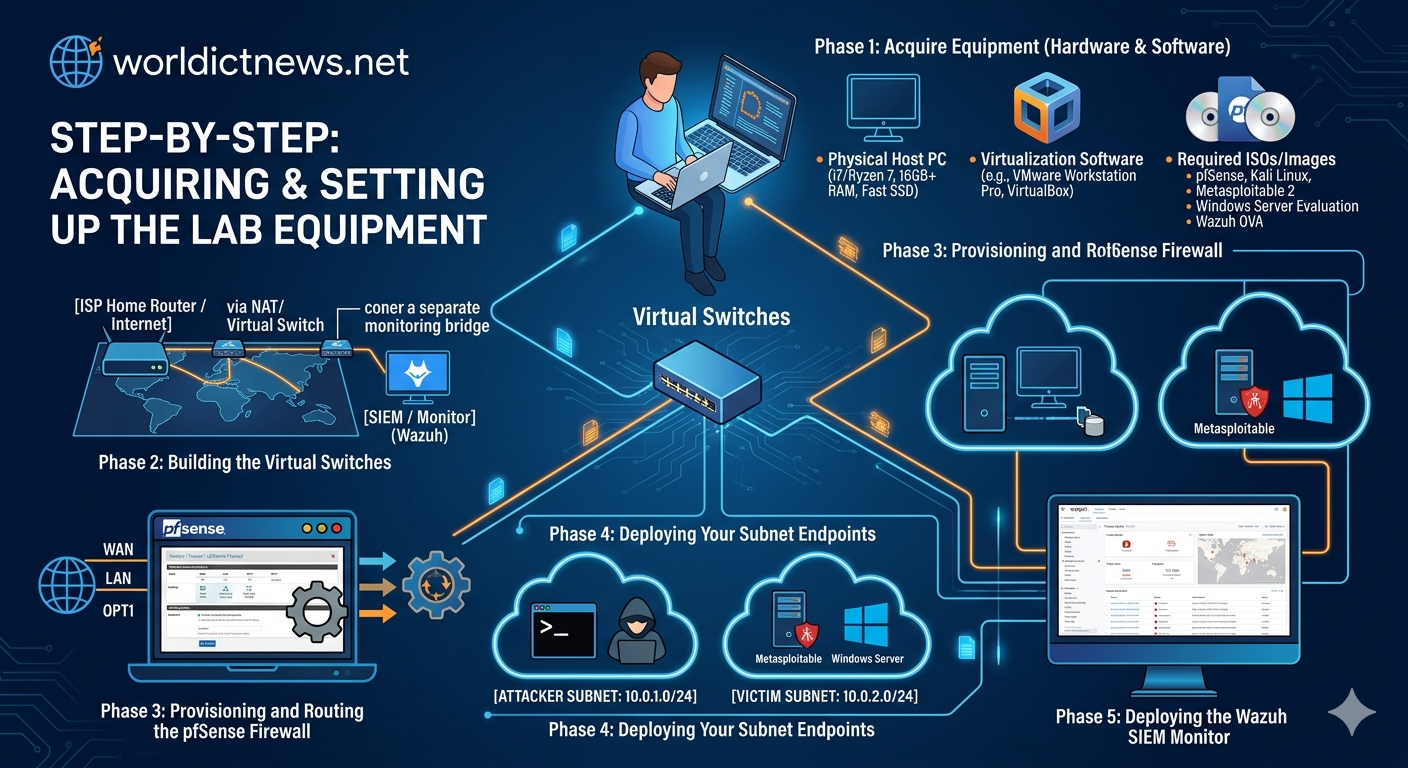
Monitoring: Use tools like SIEM systems to continuously track the effectiveness of controls and detect new emerging threats in real time.
Key Frameworks
Standardized frameworks provide a structured roadmap for building these programs:
NIST Cybersecurity Framework (CSF) 2.0: Focuses on six core functions: Govern, Identify, Protect, Detect, Respond, and Recover.
ISO/IEC 27001: The international standard for establishing an Information Security Management System (ISMS).
CIS Critical Security Controls: A prioritized list of 18 actionable best practices to stop the most common cyber threats.
Why It Matters
Financial Protection: Data breaches cost an average of $4.45 million per incident.
Regulatory Compliance: Helps meet strict mandates like GDPR, HIPAA, or PCI DSS to avoid heavy fines.
Business Continuity: Ensures critical systems remain operational and can recover quickly from an attack.
Reputation: Proactive management builds trust with customers and partners who expect their data to be handled securely
Cybersecurity Risk Matrix Template
A risk matrix (or heat map) is used to prioritize security efforts by calculating the Risk Level (Likelihood × Impact).
Likelihood ↓ / Impact → | 1. Negligible | 2. Moderate | 3. Significant | 4. Catastrophic |
|---|---|---|---|---|
4. Almost Certain | Medium | High | Very High | Very High |
3. Likely | Low | Medium | High | Very High |
2. Unlikely | Low | Low | Medium | High |
1. Rare | Low | Low | Low | Medium |
Example Risk Register Entry
Risk Scenario | Cause | Likelihood | Impact | Risk Level | Mitigation Plan |
|---|---|---|---|---|---|
Data Breach | Unsecured cloud storage | Likely (3) | Catastrophic (4) | Very High | Implement mandatory AES-256 encryption |
Phishing | Employee error | Almost Certain (4) | Moderate (2) | High | Monthly awareness training & MFA |
Third-Party Vendor Risk Assessment Checklist
Before onboarding any vendor with access to your systems or data, use this checklist to perform due diligence.
1. Vendor Classification
Tiering: Is the vendor Critical, High, Medium, or Low risk based on data access?
Service Scope: What specific systems or data will they handle?
2. Security Controls & Governance
Certifications: Does the vendor provide a SOC 2 Type II report or ISO 27001 certification?
Access Control: Do they enforce Multi-Factor Authentication (MFA) and Role-Based Access Control (RBAC)?
Data Security: Is data encrypted at rest and in transit (e.g., TLS, AES-256)?
Patching: Does the vendor have a formal process for patching critical vulnerabilities within 30 days?
3. Resilience & Incident Response
Incident Response: Do they have a documented incident response plan with a guaranteed breach notification timeframe (e.g., 24-48 hours)?
Disaster Recovery (DR): Can they provide results from their last tested DR drill?
4. Legal & Compliance
Data Processing Agreement (DPA): Is there a signed GDPR-compliant DPA on file?
Right to Audit: Does the contract allow your organization to perform security audits or penetration tests?
Did you find this ICT insight helpful?